
At Aaiish, we believe careers and companies shouldn’t just grow rather they should grow responsibly. Our commitment aligns with the United Nations Sustainable Development Goals (SDGs), especially those that call on businesses to act for people, planet, and prosperity.
In this article, we will explore the role of Project Management for the future. Personally, an area of study that shaped my work ethics and helped create productive systems as a Network Engineer. Later on, in my career when I studies Sustainability Management, I was amazed on how a PM who has the steering wheel of a project can make a difference for the planet.
When we talk about project managers at large organizations, we think about someone who has the institutional knowledge about handling a large project, timelines, budgets, and deliverables. Someone who glues people with work in hand. At Aaiish we encourage you to look beyond the norm and see how each project can be a lever for better workplaces and a healthier planet. Sustainable Project Management isn’t just a buzzword; it’s a mindset shift where efficiency meets responsibility, and leadership means leaving things better than you found them. In this article, I would like to give you an overview of SPM and why it matters at the Org and Project level and how we at aaish can help you with the situations that you might face in this journey and help create a system that keeps you prepared.
Couple of Definitions:
Sustainable Project Management(SPM) refers to the integration of sustainability principles into project management practices. It involves managing projects in a way that considers the long-term impacts on the environment, society, and economy, ensuring that project outcomes contribute positively to sustainable development.
Sustainable Development: Sustainable development is development that meets the needs of the present, without compromising the ability of future generations to meet their own needs.
Why there is a global need for Sustainable Project Management?
The global need for Sustainable Project Management arises from several pressing challenges facing our world today:
Environmental Concerns: With increasing awareness of climate change, resource depletion, and pollution, there is a growing urgency to mitigate the environmental impacts of human activities. As a PM the questions you can ask are: How can the projects minimize harm to ecosystems, reduce carbon footprints, and promote conservation and renewable energy.
Social Responsibility: It’s very important to have social equity and justice in project outcomes. As a PM you can incorporates principles of social responsibility, such as promoting fair labor practices, respecting human rights, and engaging with local communities to ensure projects benefit all stakeholders, including marginalized groups. Being empathetic, being a good listener and making sure your team doesn’t get to Burnout situation.
Economic Viability: Bearing in mind long-term economic sustainability by considering the full lifecycle costs and benefits of projects. This includes factors like resource efficiency, cost savings from waste reduction, and the creation of green jobs and economic opportunities. Some of the aspects may not be in the hands of PM in an organisation, but to voice out your opinion and having higher leadership on board is a win.
Regulatory Compliance: Many countries and regions have enacted environmental and social regulations that require businesses to implement sustainable practices. As a PM you need to be aware of such compliance and helps organizations comply with these regulations and avoid legal and reputational risks associated with non-compliance.
Stakeholder Expectations: Customers, investors, and other stakeholders increasingly expect organizations to demonstrate their commitment to sustainability. Sustainable Project Management allows companies to meet these expectations, enhance their reputation, and gain a competitive advantage in the marketplace.
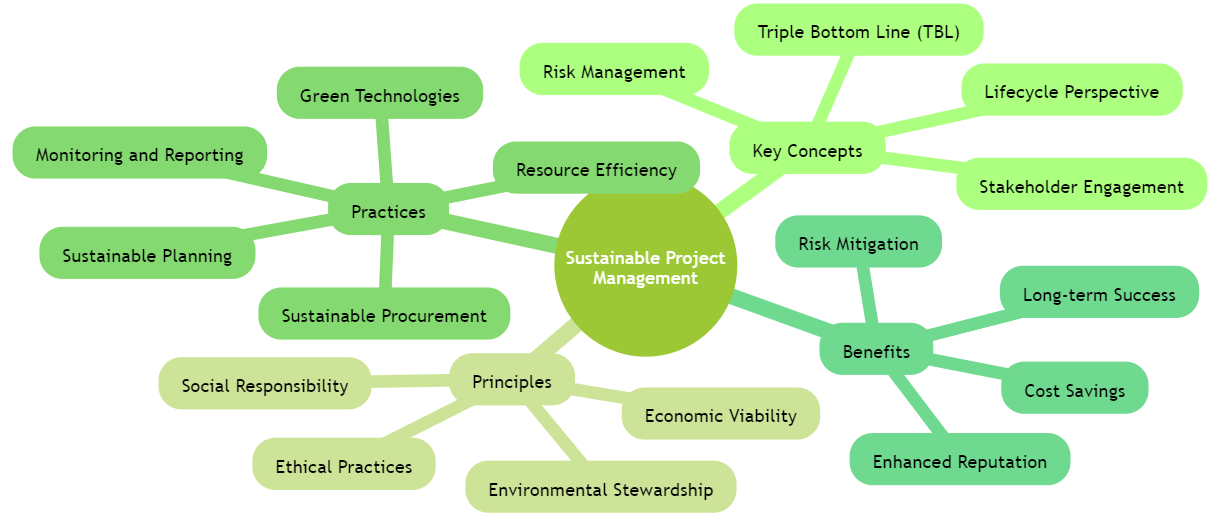
What are the key principles of Sustainable Project Management, and how can they be applied across diverse projects and sectors?
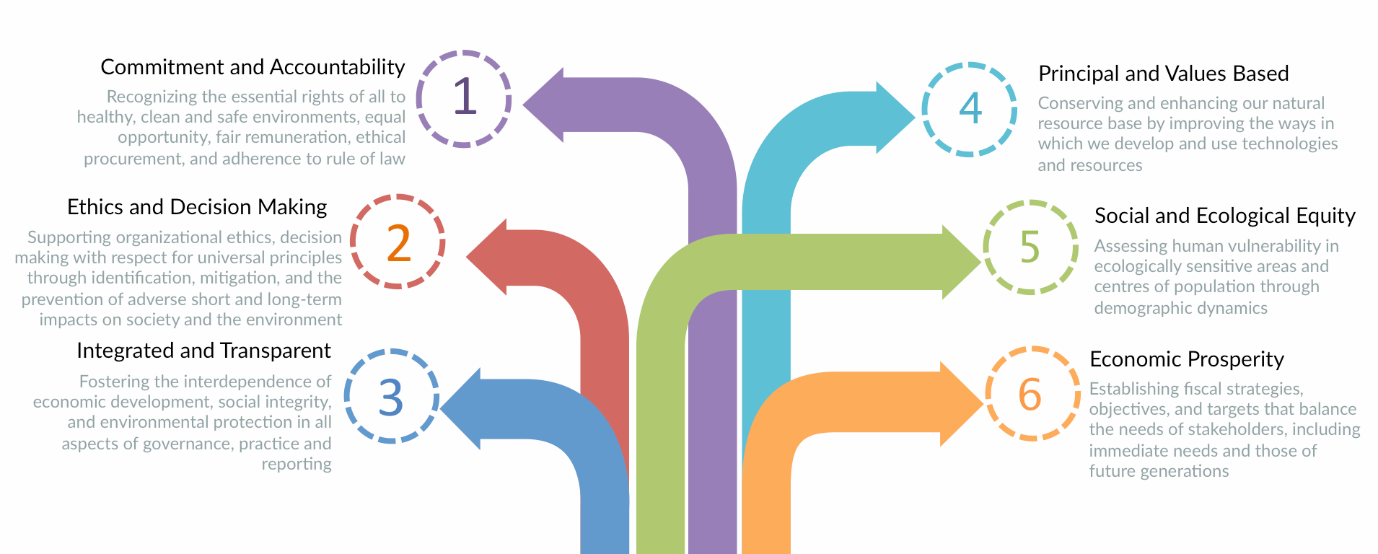
The key principles of SPM includes focus on environment, social impact, purpose, and prosperity. These principles can be applied across diverse projects and sectors by integrating competencies to deliver on business objectives, tailoring methods, tools, and techniques for leading project teams, engaging stakeholders, and progressing projects while safeguarding society, the environment, and human rights.
A sustainable project manager is more than a plannerth,they’re an advocate, advisor, and architect of better outcomes. Their job is to balance stakeholder needs with ESG priorities, using ethical practices, smart resource use, and compliance as guiding principles. Frameworks like PRiSM (by GPM) show how sustainability can be built into everyday project management, helping reduce social, environmental, and economic risks while delivering long-term value.
 I’d love to hear your thoughts on this. If you are to bring a change in mindset with your stakeholders, it’s not gonna be easy. You will face many tricky situations that will challenge you. At aaish we will help you to shape a framework tailored to the projects you handle and keep you prepared and confident in your journey. Let’s do it together.